$22.00 Original price was: $22.00.$18.00Current price is: $18.00.
Sweet Gale
Anishinaabemowin Ojibwe: Wiingashk
Botanical Name: Myrica gale
Common Name: Sweet Gale
Description
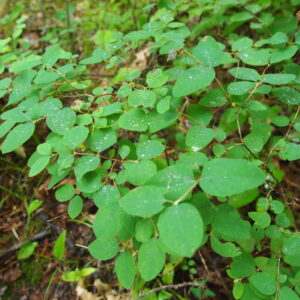
Sweet Gale is a small, aromatic deciduous shrub found in bogs, fens, peatlands, wet shores, and cold northern wetlands. Its blue-green, narrow leaves release a sweet, resinous scent when crushed, and the plant produces small catkins in early spring. This species is known for its striking silvery buds, attractive foliage, and its long history of traditional and cultural uses.
Plant Size
Typically grows 0.6–1.5 m tall, forming compact, rounded colonies over time. Slow to moderate growth rate.
Growth Conditions
Light Requirements:
Full sun to part shade. Best flowering and density occur with more sun.
Soil Requirements:
Prefers acidic, nutrient-poor, wet soils including:
Moisture Needs:
Requires consistently moist to wet conditions.
Excellent for:
pH Range:
Strongly acidic to moderately acidic.
Hardiness:
Cold-hardy across northern climates and performs well in cool summers.
Ecological Value
Wildlife Support:
Habitat Role:
A foundational species of northern bogs and fens.
Contributes to peatland formation and long-term ecosystem stability.
Traditional Uses:
Historically used for:
Landscape Uses:
Excellent for naturalistic plantings where other species struggle:
19 in stock